Property Lines You Can Actually Walk
Underbrushing in Weatherford and surrounding areas for fence lines, trails, and lots where overgrowth blocks access or planned improvements
Thick brush and small vegetation accumulate along property boundaries, planned trail routes, and building sites, creating barriers that prevent fence installation, obstruct equipment movement, and hide ground conditions that affect grading decisions. Underbrushing removes saplings, briars, dense undergrowth, and volunteer cedars that obscure property features and complicate site layout. BM Dirt Work clears overgrowth in Weatherford, Springtown, Aledo, and surrounding areas for properties preparing for construction, pasture development, or access improvements where brush density prevents accurate surveying or equipment positioning.
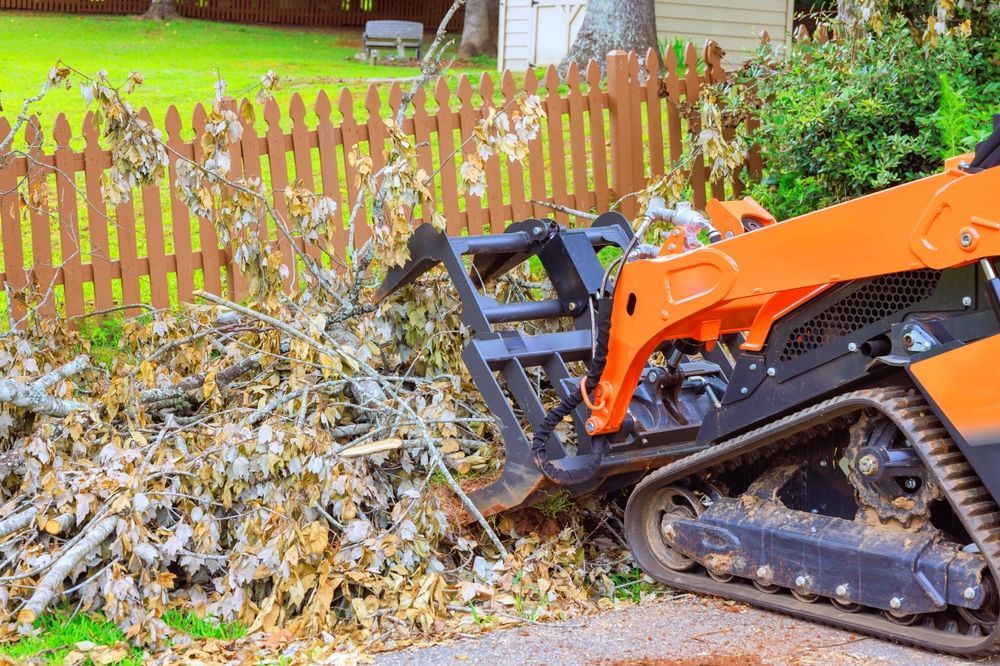
The service targets vegetation below the primary tree canopy, focusing on stems, vines, and woody growth that standard mowing equipment can't handle. Clearing improves visibility for staking building corners, running fence lines straight, and identifying drainage patterns or rock outcrops that influence construction planning. Properties with years of unchecked growth often reveal usable land area that wasn't apparent until brush is removed and the actual ground surface becomes visible.
Request a brush clearing estimate to evaluate overgrown sections before fencing or site development work begins.
Why Brush Clearing Matters Before Other Work
Underbrushing creates the clean slate necessary for accurate grading, fence installation, and drainage planning. Equipment operators need clear sight lines to existing grade elevations, and surveyors require unobstructed access to corners and boundary markers. Properties in Millsap often feature cedar regrowth and thorny undergrowth that hides erosion channels, soil composition changes, or rocky zones that affect excavation depth and equipment selection for later phases.
After clearing, fence contractors can walk direct lines without detouring around thickets, grading equipment can shape terrain without dodging saplings, and property owners can assess actual land contours instead of guessing beneath vegetation cover. The cleared footprint reveals drainage flow paths that weren't obvious with dense undergrowth, exposing low spots that may need fill or swales that should be preserved to manage runoff. Cleanup leaves the area free of cut stems and piled brush, establishing clear zones for the next phase of work.
Underbrushing often precedes tree removal on larger projects, particularly when smaller growth obscures which trees need removal and where equipment should enter. Some properties require selective clearing to maintain privacy screens while opening interior sections, and others involve complete vegetation removal to prepare for pasture seeding or building pad placement. The method adjusts based on what the land will be used for and how much existing vegetation serves a purpose versus blocking progress.
Clients preparing properties for development or maintenance typically ask about clearing methods, debris handling, and how underbrushing fits with other land preparation services.
Answers to Frequent Service Questions
What size vegetation does underbrushing remove?
The service targets saplings, brush, briars, and woody growth typically up to several inches in diameter—anything between what a mower can handle and what requires tree removal equipment. Dense cedar regrowth, thorny vines, and volunteer hardwoods fall into this category, along with overgrown shrubs that block access or obscure ground features.
How does clearing affect the soil surface underneath?
Brush removal exposes existing grade and root mats, often revealing uneven ground that wasn't visible before. This allows accurate assessment of grading needs and drainage patterns, which is why underbrushing typically happens before final site grading or pad preparation begins.
What happens to the cleared brush and debris?
Material is either hauled off-site or piled in a designated area for burning if local regulations and property conditions allow. Leaving the site clear of debris prevents interference with fencing, grading, or construction equipment and eliminates trip hazards during subsequent work phases.
Can underbrushing be done selectively to preserve certain areas?
Clearing can follow property lines, planned trails, or building footprints while leaving other sections undisturbed. This approach works well for properties where screening vegetation along roads should remain but interior sections need opening for construction or pasture use.
How soon after clearing can other work begin?
Once debris is removed, the site is ready for surveying, fencing, grading, or construction immediately. In Millsap, scheduling brush clearing during dry periods prevents soil compaction from equipment, maintaining better working conditions for grading or excavation that follows.
BM Dirt Work coordinates underbrushing with other site services to streamline property preparation timelines. Reach out to discuss your land clearing needs and schedule a site assessment.