Land That's Ready for What You're Building
Tree Removal in the WEatherford area for properties preparing for construction, driveway installation, or pasture expansion
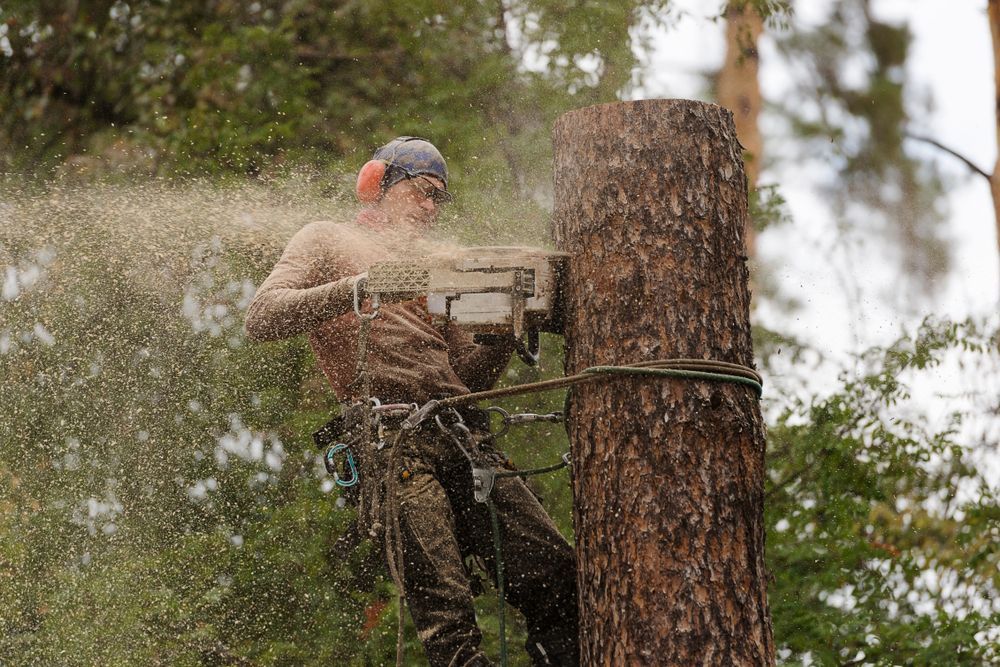
North Texas properties preparing for barndominiums, shops, or access roads face tree stands that determine where structures can sit and how much grading will cost later. BM Dirt Work handles tree removal in Weatherford, Godley, Aledo, and surrounding areas for clearing projects where trees block building sites, interfere with planned driveways, or create hazards near existing structures. The work removes root systems that would otherwise shift during excavation and clears timber that impacts site layout before concrete or framing begins.
Tree removal for development purposes differs from typical residential trimming because it addresses entire canopy sections, stump depth below planned grade elevations, and debris volume that affects haul-off logistics. Projects range from removing single large oaks blocking driveway routes to clearing multiple acres of mixed cedar and mesquite for shop pads or livestock facilities. Equipment access determines removal methods, particularly on properties where established fencing or terrain limits machinery positioning.
Schedule a property evaluation to identify specific trees affecting your planned construction layout.
What Happens After Trees Are Removed
Removal work accounts for stump height relative to final grade, root ball extraction where future excavation will occur, and debris separation when timber has salvage value. Operators cut flush to existing grade when the site will be filled and graded, or extract stumps entirely when building pads or driveways will be established at current elevation. Properties with rocky substrate require different equipment than those with deep clay, affecting both timeline and the extent of surface disturbance during extraction.
Once trees are cleared, you'll notice unobstructed sight lines across the property, defined boundaries where construction zones begin, and cleared access routes for concrete trucks or material deliveries. The removal opens elevation options that weren't visible with canopy cover and eliminates root interference that would complicate trenching for utilities or drainage later. Cleanup services remove limbs, trunks, and brush from the site, leaving the footprint ready for grading or pad preparation without debris piles obstructing equipment movement.
Larger projects often combine tree removal with underbrushing to address smaller vegetation and with rough grading to establish preliminary site elevations. Properties adjacent to neighboring structures require directional felling to control where timber lands, and projects near power lines involve coordination with utility providers. Stump grinding may be specified separately depending on whether roots will interfere with planned improvements or if the site will be filled above existing grade.
Clearing questions tend to focus on debris handling, equipment access, and how removal integrates with other site work planned for the same property.
What Property Owners Usually Ask
What determines whether stumps need full extraction or just cutting to grade?
If building pads, driveways, or utility trenches will occupy the area, stumps are pulled entirely to prevent settling or interference with excavation. If the site will be filled and compacted above the stump location, cutting flush to existing grade is often sufficient, reducing both time and surface disruption.
How does tree removal affect the rest of the site preparation timeline?
Clearing typically happens first to provide equipment access for grading and pad work. In Millsap, scheduling removal during drier months prevents equipment from rutting clay soils, which would require additional grading to restore a smooth working surface before construction begins.
What happens to the wood and debris after removal?
Timber is either hauled off-site or stacked in a designated area if you want it for firewood or other uses. Brush and smaller limbs are typically hauled away as part of the cleanup, leaving the cleared footprint ready for the next phase without requiring additional debris removal.
Can removal work around existing fences or structures?
Directional felling allows trees to be dropped away from fence lines, barns, or homes, though proximity limits affect equipment positioning. Properties with narrow access points or established improvements require smaller machinery and more manual cutting than open sites where larger equipment can operate freely.
How is removal priced for larger acreage projects?
Cost depends on tree density, species, trunk diameter, stump removal requirements, and haul-off distance. Mixed cedar and mesquite typically clear faster than large hardwoods with extensive root systems, and projects that include cleanup and grading are often quoted as combined site prep rather than itemized services.
BM Dirt Work provides detailed clearing estimates based on property conditions and planned construction requirements. Contact us to arrange a site visit and review your tree removal needs before development begins.