Water Flow That Protects Property Long-Term
Site Drainage in Weatherford and surrounding areas for properties facing pooling water, erosion, and foundation threats
Standing water after storms, erosion channels cutting through yards, and soggy areas that never dry out signal drainage problems that worsen over time. These issues develop when land doesn't direct water away from structures or lacks systems to handle runoff volume. BM Dirt Work installs and corrects site drainage systems in Weatherford, Stephenville, Springtown, and surrounding areas designing solutions based on your land's slope, soil type, and water flow patterns.
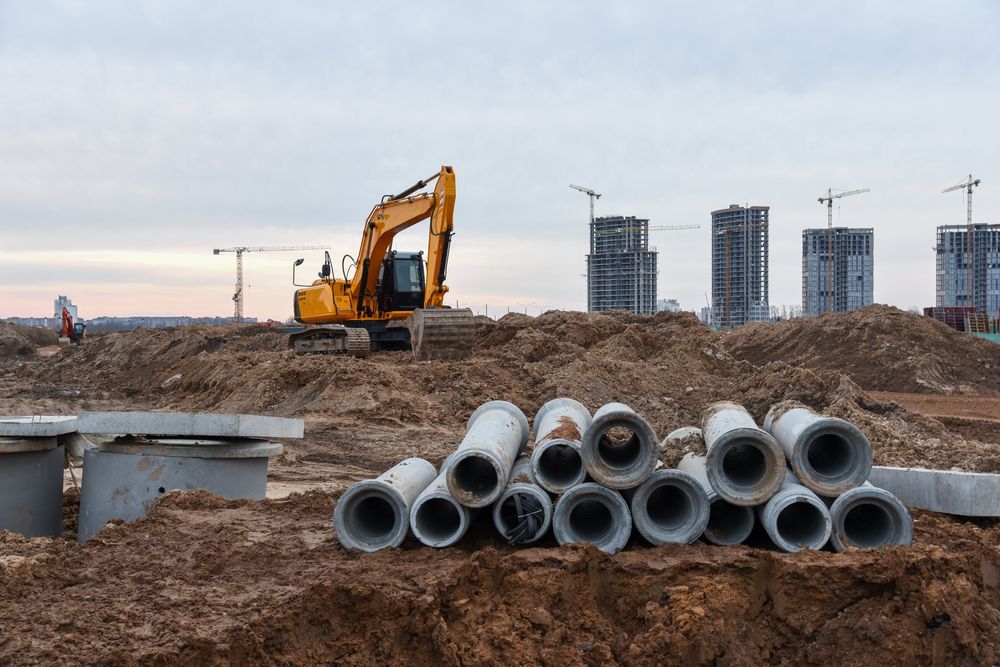
Drainage work involves evaluating where water collects and why, then installing features like swales, French drains, or graded channels that move water to appropriate discharge points. The systems prevent pooling, erosion, and moisture accumulation near foundations that can cause settling or structural damage.
Arrange a property assessment to identify drainage issues and review correction options.
What Drainage Systems Actually Accomplish
Installation begins by identifying water flow paths during rain events and locating areas where runoff concentrates or stalls. Solutions might include excavating swales that guide water to lower ground, installing perforated pipe surrounded by gravel to carry subsurface water, or regrading sections of the property to eliminate depressions. Each approach addresses specific failure patterns observed on your land.
After drainage systems are in place, you see water moving off your property during storms instead of pooling in low spots. Erosion channels stop expanding because runoff follows controlled paths rather than cutting new routes across bare soil. Areas near your foundation stay drier, reducing the risk of soil expansion that causes cracks or settling. Yards become usable sooner after rain because water clears quickly instead of sitting for days.
Drainage work often pairs with grading and lot correction services when multiple factors contribute to water problems. Properties with clay soil need careful system design because low permeability means water doesn't absorb quickly, requiring surface drainage features that handle higher flow volumes. The right combination of grading adjustments and drainage structures provides long-term protection tailored to your property's conditions.
Homeowners dealing with drainage problems want to understand what causes the issues, how systems get designed, and what results to expect after installation.
Questions Before Starting Your Project
What causes water to pool in certain areas after rain?
Pooling happens when land has low spots that trap water, slopes that direct runoff toward those areas, or soil compaction that prevents water from soaking in naturally.
How does a French drain differ from surface drainage features?
French drains use perforated pipe buried in gravel to move subsurface water, while surface features like swales or graded channels direct water that flows across the ground.
What drainage solution works best for properties in the Millsap area?
The solution depends on your specific land conditions, but many properties benefit from combining regrading to eliminate low spots with swales or drains that handle concentrated runoff.
How long does a properly installed drainage system last?
Systems built with appropriate materials and correct slope typically function for decades, though settling or landscaping changes may require adjustments over time.
What maintenance do drainage systems need after installation?
Periodic inspection of drainage outlets and removal of debris that blocks flow keeps systems working effectively, especially after storms that deposit sediment or organic material.
BM Dirt Work customizes drainage solutions to match your property's water flow challenges and soil characteristics. Request a drainage evaluation to determine the most effective approach for your land.