Property That Dries After Every Rain
Correcting Lot Drainage in the weatherford area for yards holding water and foundations exposed to prolonged saturation
Standing water after rainfall signals that your lot isn't shedding runoff the way it should. You see puddles that persist for days in low areas, saturated soil near the foundation, or water flowing toward structures instead of away from them. BM Dirt Work corrects lot drainage by reshaping the grading to establish positive flow, eliminating the depressions and reverse slopes that trap water. The corrections address both surface water movement and the soil conditions that result from chronic saturation.
Correcting drainage involves identifying where water collects, why it's not moving, and what grade adjustments will create the fall needed to direct it off the property. The work often requires filling low spots with compacted material, resloping areas that pitch toward buildings, and creating defined pathways that carry runoff to appropriate discharge points without flooding adjacent areas or neighboring properties.
Arrange an on-site consultation to map current drainage problems and determine what grading changes will eliminate standing water in Weatherford, Godley, Aledo, and surrounding areas.
How Drainage Correction Addresses Trapped Water
Drainage correction starts with measuring existing grades to identify where the slope is insufficient, flat, or reversed. Low areas are filled and compacted to match or exceed surrounding elevations, while transitions are graded to create continuous fall toward drainage outlets. The goal is to establish a minimum slope that moves water quickly enough to prevent ponding but gradually enough to avoid erosion.
Once grading is corrected, rainwater flows across the surface without pooling, foundations stay dry because water moves away from the structure within hours of a storm, and previously soggy areas become usable. The difference is immediate during the first significant rain—areas that used to hold water for days clear within hours because the fall is sufficient to keep runoff moving.
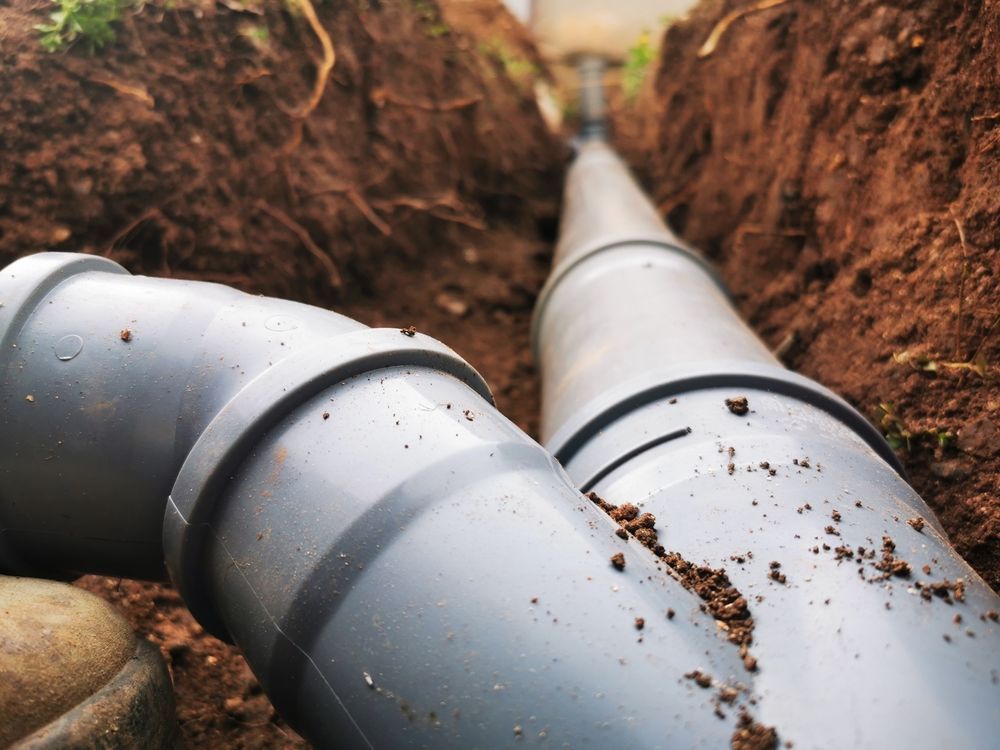
Some corrections require subsurface drains in areas where soil stays saturated even after surface water leaves, while others involve only regrading to eliminate the topographic traps causing water to collect. The approach depends on soil permeability, water table depth, and how much water the lot receives from uphill properties or roof runoff.
Here's what to expect when planning drainage corrections on a lot with persistent water problems.
Answers to Frequent Service Questions
What indicates that a lot needs drainage correction rather than just minor grading touch-ups?
If water stands for more than 24 hours after rain, if the soil near your foundation stays saturated, or if you see water flowing toward your house instead of away, the grading has failed and needs structural correction rather than surface adjustments.
How is the new grade tied into existing driveways and walkways?
The corrected grade transitions gradually to meet hardscape elevations without creating trip hazards or reverse slopes. In some cases, hardscape may need adjustment if it's contributing to the drainage problem by blocking natural flow paths.
Why does drainage correction sometimes require more fill material than expected?
Low areas are often deeper than they appear because saturated soil has settled or organic material has decomposed. Correcting the grade requires enough compacted fill to not only eliminate the depression but also create positive fall across the entire area.
When is the best time to correct lot drainage?
Corrections are easiest to complete during dry conditions when equipment can access saturated areas without causing compaction damage, but they're most effective when finished before seasonal rains so you can verify that water moves as intended during the next storm.
What should be done with water once it's directed off problem areas?
The drainage correction includes establishing a discharge point—whether that's a swale, drainage easement, street gutter, or adjacent lower area—that can handle the volume without creating new problems downstream or violating local stormwater regulations.
BM Dirt Work measures your current site conditions and designs grading adjustments that eliminate standing water while maintaining usable yard space. Contact us to review the specific areas where water collects and develop a correction plan.