Access Routes Built for Daily Use
Gravel Driveways in the weatherford area for Properties Needing Reliable Year-Round Access
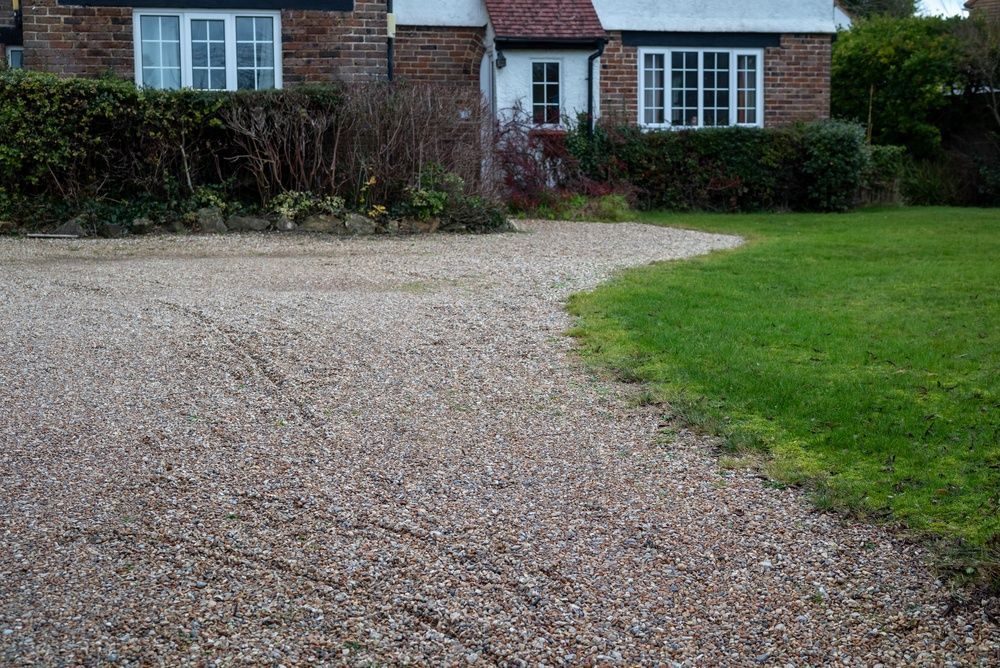
Gravel driveways fail when the base isn't prepared correctly, leaving you with ruts, washouts, and mud instead of a stable driving surface. The installation process starts with proper grading and base preparation, which determines whether your driveway lasts years or requires constant repair. BM Dirt Work installs durable gravel driveways for homes, ranches, and job sites where paved surfaces aren't practical or necessary, using custom layouts based on property terrain and traffic patterns.
The work involves excavating to a consistent depth, compacting the subgrade, and then placing layers of base material before the final gravel surface goes down. This staged approach creates a stable foundation that supports vehicle weight without shifting, even when the ground underneath is soft clay or experiences seasonal moisture changes.
Arrange an on-site consultation to review driveway layout options that match your property access needs in Weatherford, Godley, Springtown, and surrounding areas.
How Base Preparation Determines Driveway Longevity
Proper base preparation includes removing organic material and unstable soil, then building up compacted layers that distribute weight evenly across the driveway footprint. The base layer typically uses angular rock that locks together under compaction, creating a rigid platform that prevents the surface gravel from sinking into softer ground below.
Once the driveway is finished, you'll drive on a firm surface that doesn't develop ruts under repeated use or wash out during heavy rain. The gravel stays in place instead of migrating to the edges, and water drains off the crowned surface rather than pooling in low spots. Repair and refresh options address driveways that have lost their crown or need additional material after years of settling.
The amount of base material and the gravel size used depend on soil conditions and how much weight the driveway will carry regularly, which is why ranch driveways handling heavy equipment require a different build than residential driveways serving passenger vehicles.
Homeowners and landowners considering gravel driveways want to understand what affects performance and how the installation process works.
Common Questions About This Service
What makes gravel driveways wash out during storms?
Driveways without a proper crown or crown that has flattened over time allow water to run down the length of the drive instead of shedding to the sides, which erodes the gravel and exposes the base layer underneath.
How thick does the base layer need to be?
Base depth varies based on soil stability and expected load, but most installations use at least six inches of compacted aggregate under the surface gravel to prevent settling and rutting.
When is repair a better option than full replacement?
Driveways that still have intact base material but have lost surface gravel or developed minor ruts can often be refreshed by regrading and adding new material, which costs significantly less than rebuilding from subgrade.
What type of gravel works best for the surface layer?
Crushed angular gravel compacts tighter and resists displacement better than rounded river rock, which is why it's used for the top layer where tires make contact.
How does grading affect driveway drainage in areas with heavy rainfall?
Proper grading creates a subtle crown down the center of the driveway that sheds water to both sides before it gains enough speed to erode the surface, which is critical in regions that receive regular storm events.
Custom layouts account for property slope, turning radius for vehicles, and connection points to existing roads or pads. BM Dirt Work designs gravel driveways that improve access without requiring ongoing maintenance to stay functional. Request a project estimate based on your specific driveway length and site conditions.