Channels That Flow Without Eroding
Drainage Rock in weatherford and surrounding areas for properties where runoff cuts into soil and creates unstable pathways
Drainage rock stabilizes areas where water flow is too concentrated or too fast for soil to remain in place. When runoff creates channels, washes out driveways, or undermines edges, rock installation prevents further erosion while maintaining the flow capacity needed to move water off the property. BM Dirt Work places drainage rock in swales, along drainage paths, and in transition zones where water velocity would otherwise displace soil or gravel.
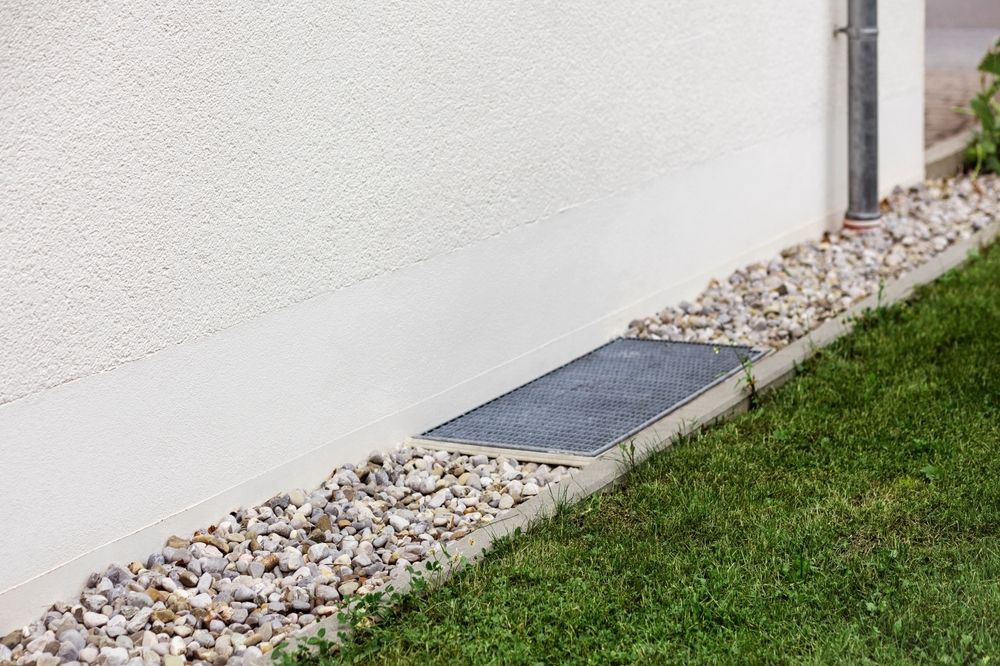
The installation involves excavating the drainage pathway to the required depth, placing filter fabric to prevent soil migration into the rock voids, and filling the channel with appropriately sized stone that allows water to flow through while resisting displacement. Rock size and type depend on flow velocity, channel slope, and whether the system needs to handle just surface runoff or also convey subsurface drainage.
Schedule a property evaluation to identify where drainage rock will prevent ongoing erosion and stabilize water pathways.
What You Notice Once Drainage Rock Is Installed
Properly installed drainage rock creates a permanent pathway that handles runoff without requiring ongoing maintenance or repair. The rock is sized to resist movement even during heavy flow, and the underlying fabric prevents soil from washing up through the voids and clogging the system. Water flows through and over the rock without cutting channels, displacing material, or creating the ruts that form in bare soil or loose gravel.
After installation, you'll see water moving cleanly through rock-lined channels during storms, driveways and paths remaining stable without washout damage, and slopes maintaining their shape because the rock absorbs flow energy that would otherwise erode soil. The rock stays in place through repeated weather events, unlike loose gravel that migrates downhill or soil that forms gullies with each rain.
The system complements grading work by protecting areas where slope or water volume makes erosion inevitable without hardening. Some installations include check dams or grade breaks to slow water velocity in steep channels, while others use rock simply to armor drainage swales and driveway edges where runoff concentrates naturally.
Property owners planning drainage rock installations typically want to understand how the system performs and what's involved.
Common Questions About This Service
What size rock is used for drainage applications?
Rock size depends on water velocity and channel slope. Smaller stone works for low-flow swales, while steep channels or high-volume runoff require larger riprap that won't displace under force. The rock must be heavy enough to stay in place but porous enough to allow water to flow through the voids.
How does filter fabric work in a drainage rock system?
Filter fabric separates soil from rock, preventing fine particles from washing up into the voids and clogging the drainage capacity. It allows water to pass through while holding soil in place, which keeps the rock layer effective over time and prevents the system from filling with sediment.
Why do some drainage paths use rock while others use only grading?
Rock is necessary where water flow is concentrated or fast enough to erode soil, such as in swales that collect runoff from large areas, along driveways on slopes, or in channels where velocity prevents vegetation from establishing. Gentler slopes with dispersed flow may only need grading.
When should drainage rock be installed relative to other site work?
Rock installation typically follows grading and excavation work so the channel is shaped correctly before rock is placed. Installing it too early risks having to remove and replace rock if grading changes, while installing it last ensures the system matches final elevations and flow patterns.
What maintenance does a rock drainage system require?
Rock systems are low-maintenance but should be checked periodically to remove debris that blocks flow, verify that fabric hasn't been exposed by settling, and confirm that rock hasn't shifted in areas of high velocity. Sediment buildup can be removed without replacing the entire system if fabric remains intact.
BM Dirt Work sizes and installs drainage rock based on the flow conditions and slope characteristics of your property. Request an estimate for rock placement in areas where runoff is causing erosion or undermining surfaces.