Limbs That Won't Come Down in Storms
Tree Trimming in the Weatherford area for properties with overgrowth blocking sight lines, threatening structures, or creating maintenance hazards
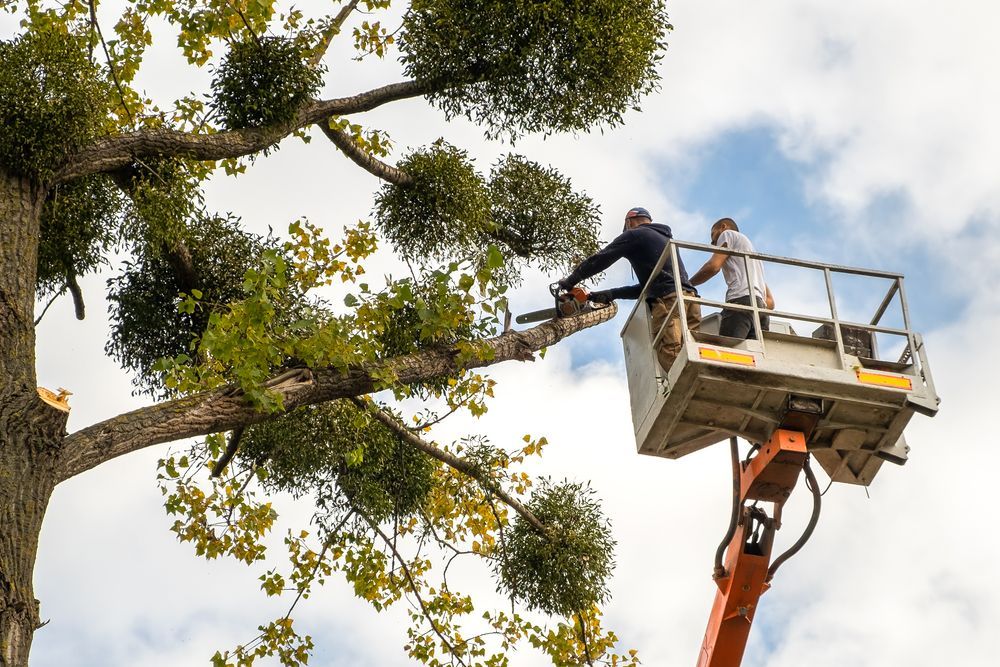
Dead limbs, overextended branches, and crowded canopy growth create risks during North Texas wind events and ice storms, dropping debris onto roofs, power lines, and driveways when weather loads exceed what weakened wood can support. Tree trimming removes hazardous limbs, clears overgrowth blocking roadways or equipment paths, and maintains tree health by eliminating crossed branches and dense interior growth that traps moisture and promotes decay. BM Dirt Work provides trimming services in Weatherford, Godley, Aledo, and surrounding areas for properties managing tree maintenance as part of broader land clearing plans or addressing specific hazards before storm seasons arrive.
Trimming focuses on removing limbs that pose immediate risks or interfere with planned improvements, rather than aesthetic shaping. The work addresses branches hanging over structures, limbs obstructing access routes needed for construction equipment, and deadwood that hasn't fallen yet but will during the next significant weather event. Properties combining trimming with clearing projects often need selective limb removal to protect buildings or fences during nearby tree removal operations.
Arrange a trimming consultation to identify hazardous limbs and overgrowth affecting your property's safety and access.
What Proper Trimming Requires
Trimming cuts are positioned to promote healing and prevent decay from entering the trunk, with branches removed at the collar rather than mid-span where stubs would remain. Operators assess weight distribution to avoid splitting the trunk during limb removal and plan cuts to control where branches fall, particularly near structures, vehicles, or other trees. Work near power lines requires clearance coordination, and trimming schedules often align with site preparation phases to provide equipment access or clear sight lines before grading begins.
Once trimming is complete, you'll see unobstructed routes for driveways or utility installation, cleared space around buildings that reduces storm debris risk, and improved visibility along fence lines or property boundaries. Canopy thinning allows more light to reach the ground, which benefits pasture growth or future landscaping, and eliminates the clutter of low-hanging limbs that interfere with mowing or livestock movement. Cleanup removes cut limbs and leaves the site ready for other work without debris piles blocking access.
Trimming often supports broader land management goals, such as maintaining tree cover for shade or windbreaks while removing growth that conflicts with construction plans. Properties preparing for building pads may need selective trimming to preserve desirable trees while clearing space for structures, and rural properties managing pasture often trim along fence lines to prevent limbs from damaging wire during high winds. Timing considerations include avoiding trimming during active growth periods when cuts weep excessively and prioritizing hazard removal before severe weather seasons.
Clients maintaining properties or preparing for development ask about trimming scope, how it differs from removal, and when trimming makes sense versus clearing trees entirely.
Common Questions About This Service
What determines whether a tree should be trimmed or removed entirely?
Trimming preserves the tree while addressing specific hazards or access issues, whereas removal is appropriate when the entire tree blocks planned construction, poses structural risks, or sits within a clearing footprint. Trees with extensive dead canopy or trunk damage often require removal rather than trimming.
How does trimming reduce storm damage risk?
Removing dead limbs, thinning dense canopy sections, and eliminating overextended branches reduces wind load and prevents breakage during storms. In Millsap, ice accumulation on untrimmed limbs frequently causes failures that damage roofs, vehicles, and power lines, making pre-storm trimming a preventive measure.
Can trimming improve property appearance without full clearing?
Selective trimming opens sight lines, clears overgrowth from fence lines and driveways, and removes unsightly deadwood while maintaining tree cover. This approach works well for properties balancing aesthetics, functionality, and the benefits of existing shade or windbreak trees.
What happens to trimmed limbs and debris?
Material is hauled off-site or piled for chipping and disposal, depending on volume and property access. Cleanup ensures that driveways, pastures, and work areas remain clear of debris that would obstruct equipment or create safety hazards during other site activities.
How does trimming coordinate with other land clearing services?
Trimming often happens before grading or building pad work to establish clear equipment paths and protect structures during nearby tree removal. Projects involving both trimming and removal schedule trimming first to address hazards and improve access, then proceed with full clearing in designated zones.
BM Dirt Work evaluates tree conditions and property plans to recommend trimming, removal, or a combination of both. Contact us to schedule an assessment and discuss how trimming fits your land management needs.