Foundations That Don't Shift or Settle
Building Pads in weatherford and surrounding areas for homes, shops, and barndominiums requiring stable, level construction surfaces
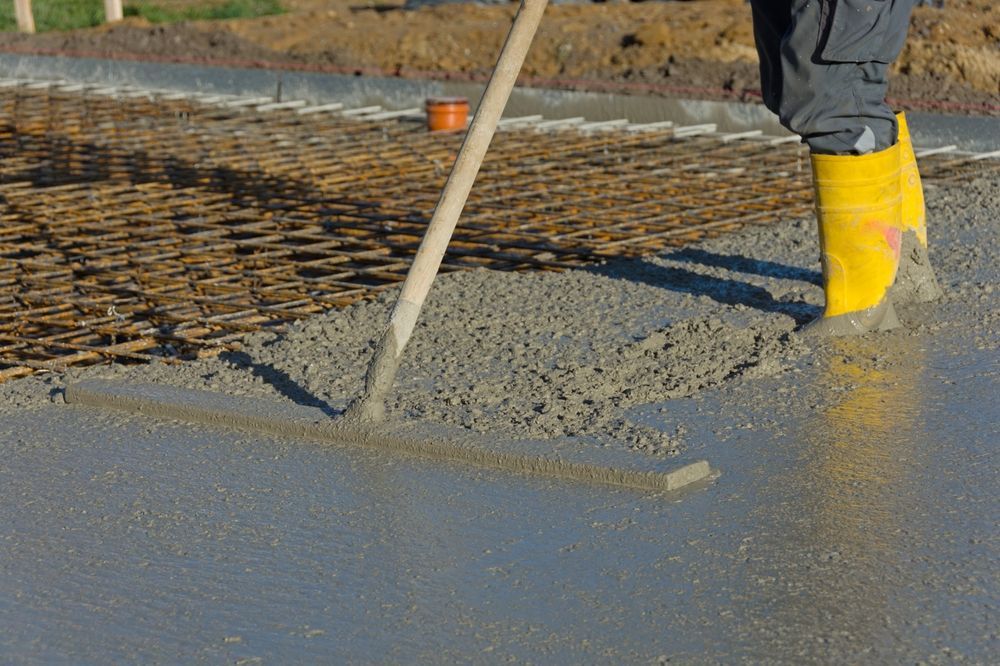
Expansive clay soils across North Texas shift with moisture changes, and uncompacted fill settles under structural loads, creating foundation movement that cracks slabs, distorts door frames, and separates framing from concrete over time. A properly prepared building pad establishes the stable, level platform necessary for long-term structural integrity, with compacted fill layers, controlled drainage away from the foundation, and elevation planning that prevents water from pooling against future walls. BM Dirt Work installs building pads in Weatherford, Jacksboro, Godley, and surrounding areas for residential and rural construction projects where site conditions require fill, grading, or elevation adjustments before concrete placement begins.
Building pad preparation involves stripping topsoil and organic material that would compress unevenly, placing engineered fill in controlled lifts, and compacting each layer to specified density before adding the next. Elevation is set to direct surface water away from the building footprint, and pad dimensions extend beyond foundation lines to provide stable support for perimeter grading and utility trenches. Properties with existing slope require cut-and-fill operations to create level surfaces, and low-lying sites need additional fill depth to raise structures above flood-prone elevations.
Schedule a pad installation consultation to review site conditions and construction requirements for your planned structure.
What Makes Building Pads Hold Up Long-Term
Proper compaction prevents settlement that would occur if loose fill were placed and structural loads applied without adequate densification. Each fill lift is compacted using equipment that achieves specified density before the next layer is added, creating a stable mass that supports concentrated foundation loads without shifting. Moisture content during compaction affects how well soil particles bind, which is why pad work in Millsap often pauses during wet periods when clay becomes unworkable and compaction efforts produce inconsistent results.
After pad installation, the building site sits level and firm, with no soft spots that would indicate inadequate compaction or areas where water pools during rain events. Drainage slopes away from the footprint in all directions, preventing runoff from accumulating against the future foundation and eliminating standing water that would saturate fill and undermine stability. The pad surface is ready for foundation layout, utility rough-ins, and concrete placement without additional grading or fill adjustments, and the compacted base provides the resistance necessary to prevent slab cracking or structural settlement as the building is completed.
Pad design accounts for final structure dimensions, planned finish grade elevations, and driveway or utility connections that will tie into the site later. Properties with challenging drainage may incorporate perimeter swales or subsurface drainage to manage water flow around the pad, and sites with significant elevation changes often include retaining structures or stepped pads to accommodate terrain. Soil testing may be specified by engineers to verify compaction density and load-bearing capacity, particularly for larger structures or sites with problematic subsurface conditions.
Clients planning construction ask about pad preparation steps, how site conditions affect the work, and what happens between pad completion and foundation installation.
Questions Before Starting Your Project
What determines the elevation and size of a building pad?
Pad height is set to provide positive drainage away from the structure while accounting for finished floor elevations and access road grades. Pad size extends beyond foundation lines to support perimeter grading and provide stable ground for utility trenches and exterior work during construction.
How is compaction verified to prevent future settling?
Compaction is achieved through multiple passes with heavy equipment on each fill lift, creating density that resists settlement under structural loads. In Millsap, clay-based fill requires careful moisture management during compaction to achieve proper particle binding and long-term stability.
Can building pads be prepared on sloped or uneven properties?
Cut-and-fill grading creates level surfaces by removing soil from high areas and placing it in low sections, with the pad established at an elevation that balances material movement and provides required drainage. Steep sites may need retaining walls or tiered pads to manage elevation changes while maintaining stable construction surfaces.
What happens if the pad isn't used immediately after preparation?
Compacted pads remain stable if protected from erosion, though perimeter slopes may need regrading if heavy runoff occurs before construction begins. Covering the pad or establishing temporary drainage helps preserve surface conditions during delays between pad completion and foundation work.
How does pad work coordinate with other site services?
Pad preparation typically follows tree removal and rough grading but precedes utility installation and concrete placement. Projects often combine pad work with driveway grading and final site drainage to streamline site development and avoid redundant equipment mobilization.
BM Dirt Work prepares building pads that meet structural requirements and site-specific conditions, supporting quality construction from the ground up. Call us to discuss your building plans and schedule a site evaluation.