Construction Access That Doesn't Trap Equipment
Temporary Culvert in Weatherford for Safe Crossing Over Ditches and Drainage Areas
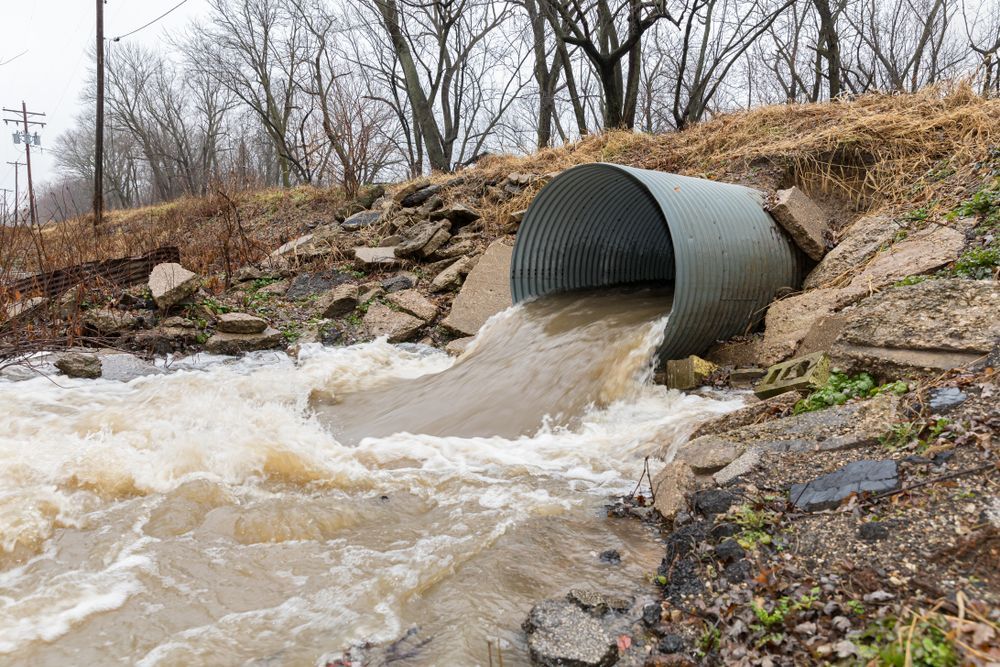
Equipment can't cross open ditches without a temporary culvert in place, which means construction projects stall before they start if site access isn't addressed. BM Dirt Work installs temporary culverts that allow safe crossing over drainage areas during ongoing site work, supporting the movement of heavy machinery and materials without damaging the ditch or creating drainage blockages. Contractors and property owners preparing for building projects or land improvements need this service when the work zone sits on the opposite side of an existing drainage feature.
Installation involves placing culvert pipe at the crossing point and covering it with compacted fill material to create a drive surface that handles the weight of loaded trucks and excavators. The pipe diameter is sized to maintain drainage flow underneath the temporary crossing, preventing water backup during rain events while the culvert is in place.
Schedule a culvert installation to establish reliable site access before your construction timeline begins in Weatherford, Aledo, Stephenville, and surrounding areas.
What Changes After Temporary Access Is Established
The installation process starts with preparing the ditch banks to accept the culvert pipe, ensuring the invert elevation matches the existing ditch grade so water continues flowing through instead of pooling at the crossing. Fill material is then placed over the pipe in compacted layers, creating a roadway surface strong enough to support construction traffic without collapsing or shifting the pipe underneath.
After the culvert is installed, equipment moves freely between the road and the work area without getting stuck in soft ditch banks or risking rollover on unstable crossings. The drainage feature continues functioning during storms because water passes through the pipe instead of being blocked, which prevents flooding on either side of the crossing. Easy removal or upgrade after project completion means the culvert can be pulled out and the ditch restored, or it can be converted to a permanent crossing if long-term access is needed.
Temporary culverts work with entrance construction and drainage services when projects require multiple access points or when the crossing needs to tie into larger stormwater management features.
Project managers and landowners arranging temporary access want to know how the service integrates with their construction schedule and site conditions.
Answers to Frequent Service Questions
What size pipe is needed for a temporary culvert?
Pipe diameter depends on the ditch size and the amount of water it carries during storms, with most temporary installations using 15-inch to 24-inch diameter culvert to maintain adequate flow without causing upstream backup.
How long does a temporary culvert installation take?
Most crossings are completed in a single day once materials are on-site, allowing construction access to be established quickly without delaying other project milestones.
When should the culvert be removed?
Temporary culverts stay in place until the construction project no longer requires crossing access, at which point the pipe and fill material are removed and the ditch is restored to its original grade and flow path.
What happens if drainage increases during the project?
Culvert installations account for typical storm flow, but extended construction timelines that span wet seasons may require monitoring to ensure the pipe isn't becoming clogged with sediment carried by increased runoff.
Does the crossing affect property drainage requirements?
Temporary culverts maintain the drainage corridor's function during construction, which prevents violations of easement agreements or stormwater regulations that require unobstructed flow through the property.
BM Dirt Work coordinates temporary culvert installation with your project schedule to ensure access is ready when equipment arrives. Contact us to confirm pipe sizing and installation timing based on your ditch dimensions and expected traffic loads.